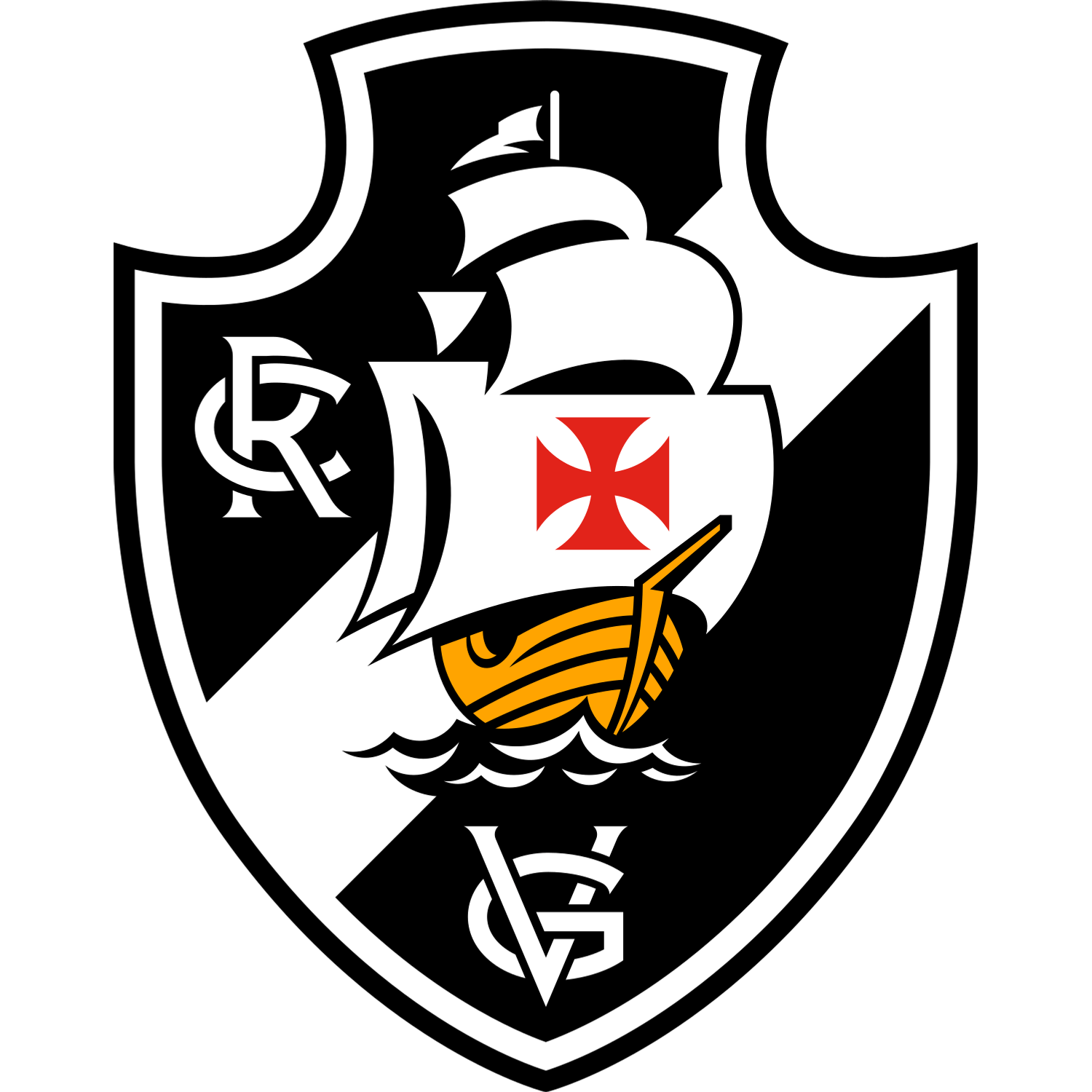
The Vasco crest features the Maltese Cross in black and white, symbolising Portuguese tradition and Vascaíno identity. The badge marks the Gigante da Colina and historic inclusion, distinct from generic filler, and summarises the link to Rio de Janeiro in world football.
Club de Regatas Vasco da Gama, founded in 1898 in Rio de Janeiro, is one of Brazilian football's giants. Brazilian champions, Copa Libertadores winners (1998) and multiple Rio state champions, the Gigante da Colina stood out for pioneering social inclusion and idols such as Roberto Dinamite and Romário. Black and white colours and the Maltese Cross link the club to Portuguese tradition and São Cristóvão. Estádio São Januário hosts supporters; rivalries with Flamengo, Fluminense and Botafogo shape daily life. Youth work and popular identity keep Vasco on the world football map.
Fans — Club de Regatas Vasco da Gama
Club de Regatas Vasco da Gama is part of the THECLUB INDEX catalogue. This page celebrates the club identity, crest and home ground.
Founded in 1898, they play at Estádio São Januário.
Use the LIKE button in the fan area above to show your support. Every fan counts in the official tally on this page.
The Vasco crest features the Maltese Cross in black and white, symbolising Portuguese tradition and Vascaíno identity. The badge marks the Gigante da Colina and historic inclusion, distinct from generic filler, and summarises the link to Rio de Janeiro in world football.
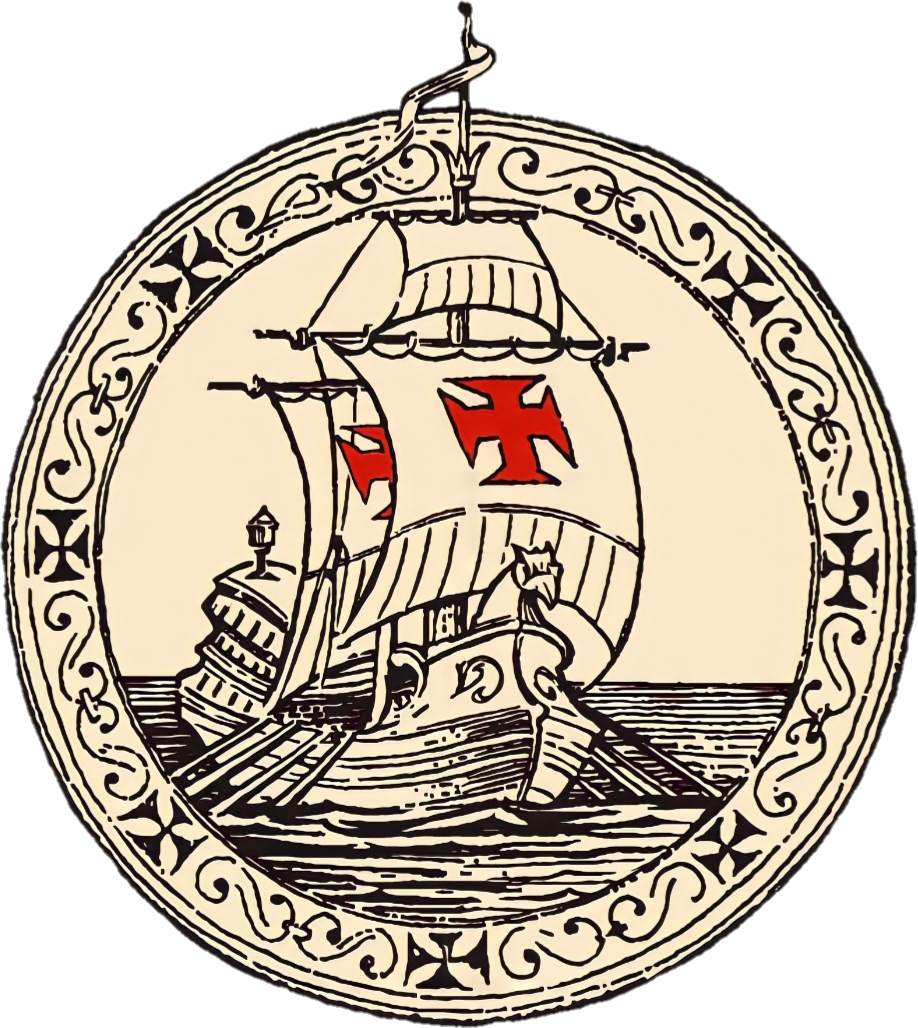
Previous crests
Versions used in the past by Club de Regatas Vasco da Gama.
Current crest
VS
1898 - 1920
Click a crest on the timeline to compare. Double-click to enlarge.
Club history — Club de Regatas Vasco da Gama
Club de Regatas Vasco da Gama, founded in 1898 in Rio de Janeiro, is one of Brazilian football's giants. Brazilian champions, Copa Libertadores winners (1998) and multiple Rio state champions, the Gigante da Colina stood out for pioneering social inclusion and idols such as Roberto Dinamite and Romário. Black and white colours and the Maltese Cross link the club to Portuguese tradition and São Cristóvão. Estádio São Januário hosts supporters; rivalries with Flamengo, Fluminense and Botafogo shape daily life. Youth work and popular identity keep Vasco on the world football map.
Estádio São Januário in São Cristóvão (Rio de Janeiro) holds about 21,500 and is Vasco's historic home. It hosts Brazileirão, Libertadores and Rio derbies, combining 1927 tradition with the Colina's black-and-white atmosphere.