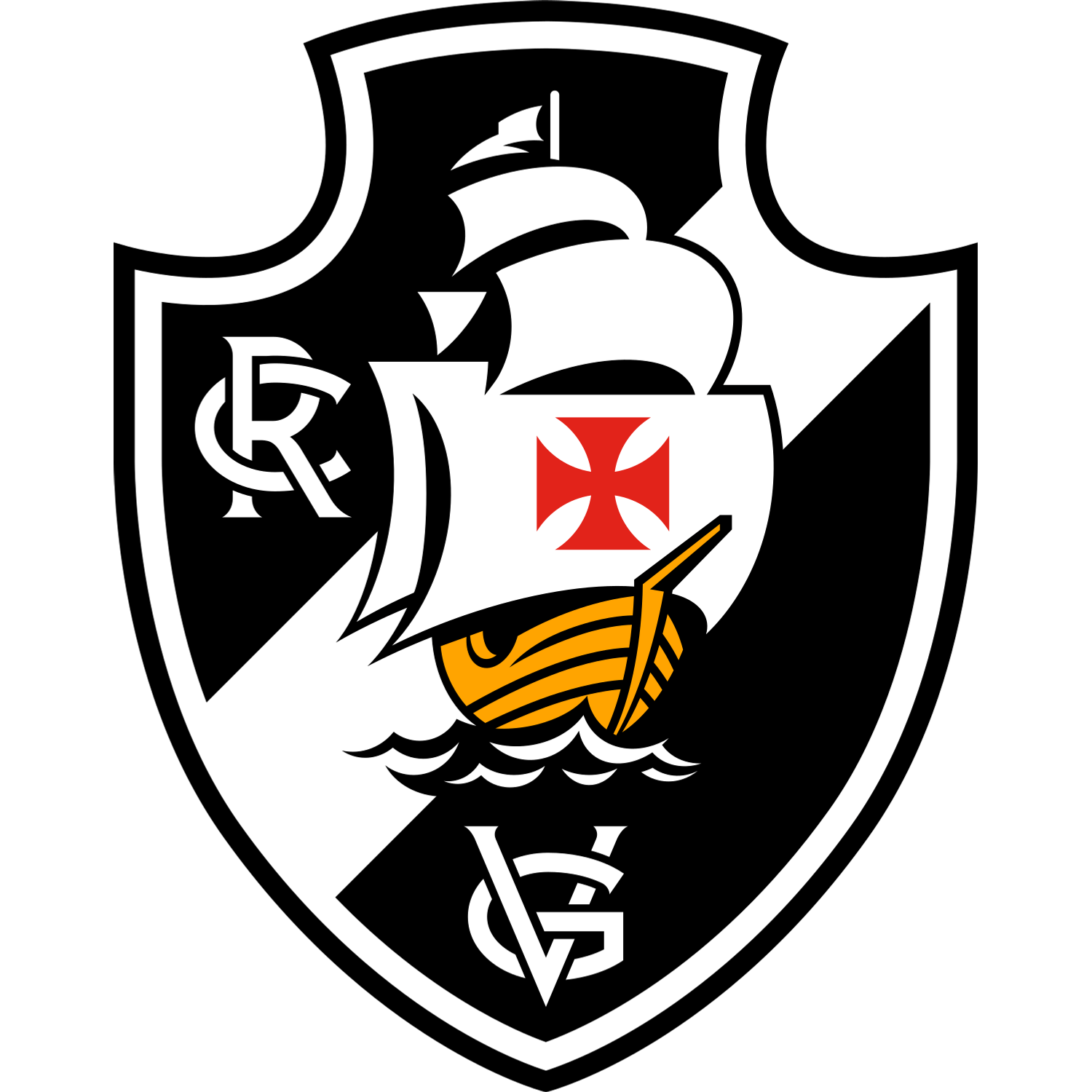
The Vasco crest features the Maltese Cross in black and white, symbolising Portuguese tradition and Vascaíno identity. The badge marks the Gigante da Colina and historic inclusion, distinct from generic filler, and summarises the link to Rio de Janeiro in world football.
Club de Regatas Vasco da Gama, founded in 1898 in Rio de Janeiro, is one of Brazilian football's giants. Brazilian champions, Copa Libertadores winners (1998) and multiple Rio state champions, the Gigante da Colina stood out for pioneering social inclusion and idols such as Roberto Dinamite and Romário. Black and white colours and the Maltese Cross link the club to Portuguese tradition and São Cristóvão. Estádio São Januário hosts supporters; rivalries with Flamengo, Fluminense and Botafogo shape daily life. Youth work and popular identity keep Vasco on the world football map.
Torcida — Club de Regatas Vasco da Gama
O Club de Regatas Vasco da Gama faz parte do catálogo THECLUB INDEX. Esta página celebra a identidade, o emblema e a casa do clube.
Fundado em 1898, manda no Estádio São Januário.
Usa o botão LIKE na área dos fãs acima para mostrar o teu apoio. Cada torcedor conta na contagem oficial desta página.
The Vasco crest features the Maltese Cross in black and white, symbolising Portuguese tradition and Vascaíno identity. The badge marks the Gigante da Colina and historic inclusion, distinct from generic filler, and summarises the link to Rio de Janeiro in world football.
Emblemas anteriores
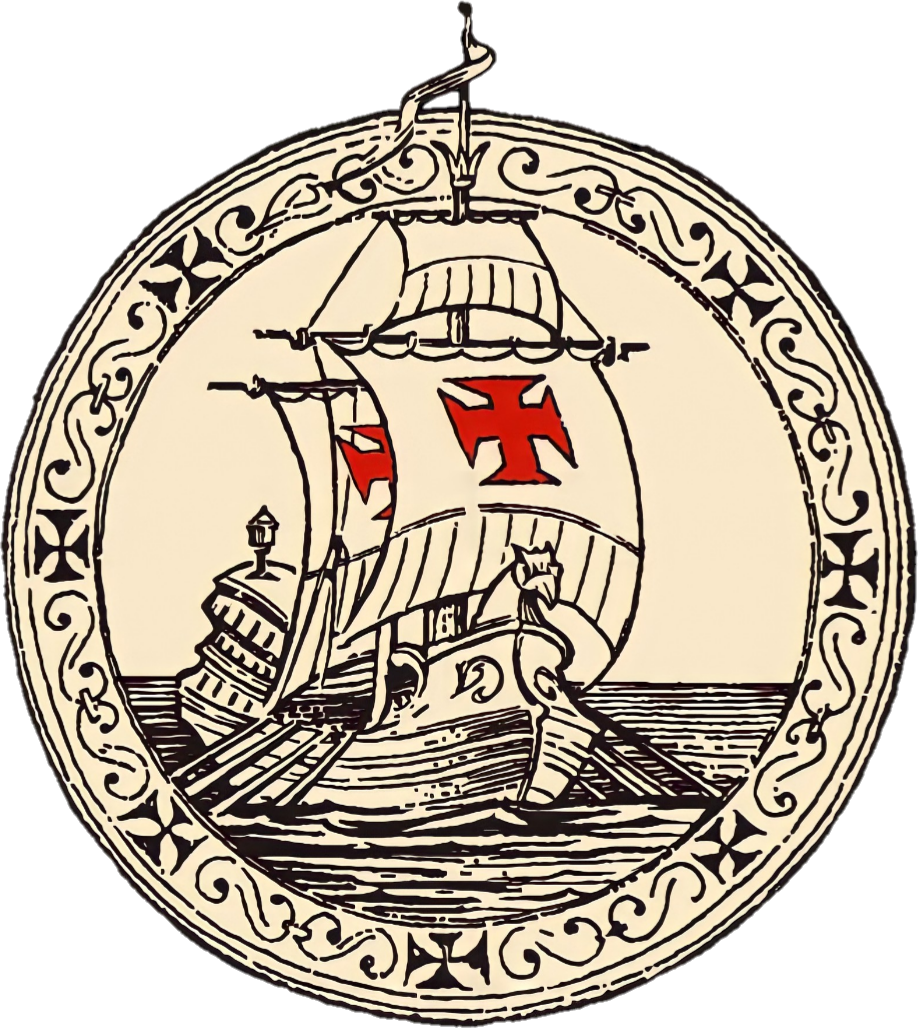
Versões usadas no passado por Club de Regatas Vasco da Gama.
Emblema atual
VS
1898 - 1920
Clique num emblema na linha do tempo para comparar. Duplo clique para ampliar.
História do clube — Club de Regatas Vasco da Gama
Club de Regatas Vasco da Gama, founded in 1898 in Rio de Janeiro, is one of Brazilian football's giants. Brazilian champions, Copa Libertadores winners (1998) and multiple Rio state champions, the Gigante da Colina stood out for pioneering social inclusion and idols such as Roberto Dinamite and Romário. Black and white colours and the Maltese Cross link the club to Portuguese tradition and São Cristóvão. Estádio São Januário hosts supporters; rivalries with Flamengo, Fluminense and Botafogo shape daily life. Youth work and popular identity keep Vasco on the world football map.
Estádio São Januário in São Cristóvão (Rio de Janeiro) holds about 21,500 and is Vasco's historic home. It hosts Brasileirão, Libertadores and Rio derbies, combining 1927 tradition with the Colina's black-and-white atmosphere.